How I Turned Study Abroad Into a Smarter Investment
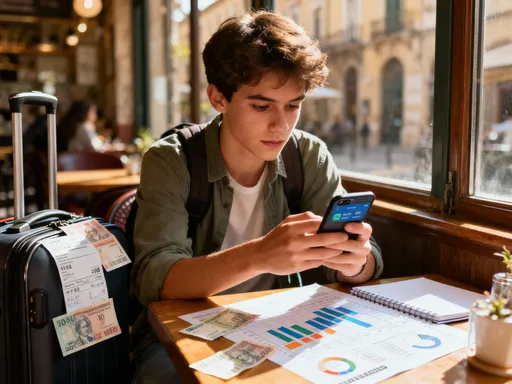
Sending money overseas for an exchange program? I did—and almost drained my savings. But what if your education abroad could actually work for you, not just cost you? It’s not about cutting corners; it’s about smart moves. From timing transfers to earning while overseas, I tested strategies that saved thousands. This is how I redefined “student budgeting” and made my exchange experience financially rewarding—without risking it all. The journey wasn’t about getting rich; it was about gaining control, avoiding hidden losses, and turning necessity into opportunity. What began as a financial strain evolved into one of the most empowering chapters of my life—not because I spent less, but because I thought differently.
The Hidden Cost of Going Global
Studying abroad is often celebrated for its academic and cultural benefits, yet few talk about the silent financial drain that begins before classes even start. Tuition and airfare are only the tip of the iceberg. Beneath the surface lies a network of fees that quietly erode savings: international transaction charges, dynamic currency conversion markups, ATM withdrawal fees, and even bank inactivity penalties. These costs are not rare exceptions—they are standard features of traditional banking systems when used across borders. I learned this firsthand during my first week overseas, when a simple $200 cash withdrawal cost me nearly $15 in fees and unfavorable exchange rates. At the time, I assumed this was normal. It wasn’t until I reviewed my statements that I realized how much I had unknowingly lost.
The problem begins with lack of transparency. Many banks and credit card issuers apply foreign transaction fees ranging from 2% to 3% on every purchase made abroad. That means for every $100 spent, $2 to $3 disappears—not for service, not for convenience, but simply for using your card in another country. On top of that, ATMs often use dynamic currency conversion (DCC), a practice where the machine offers to charge you in your home currency instead of the local one. While this may seem helpful, DCC typically includes inflated exchange rates and additional margins, costing users up to 8% more than the real market rate. These charges accumulate quickly, especially when daily expenses like groceries, transportation, and meals are all paid in a foreign currency.
Another overlooked expense is the cost of maintaining multiple accounts across countries. Some students open local bank accounts upon arrival, only to discover monthly maintenance fees, minimum balance requirements, or charges for international transfers. Without careful research, these accounts can become more of a burden than a benefit. The impact is not just financial—it’s psychological. Constantly worrying about hidden costs can distract from the core purpose of studying abroad: learning and growth. Recognizing these financial leaks was my first step toward reclaiming control. Once I understood where money was being lost, I could begin designing a system to prevent it.
The solution doesn’t require drastic lifestyle changes. It starts with awareness and planning. Before departure, I reviewed my current banking setup and identified all potential fee sources. I switched to institutions known for lower international fees and researched alternatives like digital banking platforms that specialize in cross-border transactions. I also educated myself on how to avoid DCC at ATMs—by always choosing to be charged in the local currency rather than my home one. These small decisions, made early, laid the foundation for a more financially sustainable experience. The goal wasn’t to eliminate spending but to ensure that every dollar served a clear purpose.
Timing Is Everything: When to Move Your Money
One of the most powerful yet underused tools in international finance is timing. Exchange rates fluctuate constantly, influenced by global markets, economic data, and geopolitical events. A transfer made today could cost significantly more or less than the same amount sent just a week later. When I first moved money overseas, I did so impulsively—whenever my account ran low. Over time, I realized this reactive approach was costing me hundreds. There were moments when the exchange rate was favorable, and others when it was clearly weak, yet I wasn’t paying attention. Once I began tracking currency trends, I discovered that strategic timing could make a meaningful difference in my overall budget.
I started monitoring the exchange rate between my home currency and the local currency of my host country using free online tools and financial news sources. I didn’t need to become an economist—just observant. Within a few weeks, patterns emerged. I noticed that rates often improved slightly at the beginning of the month or after major economic announcements. More importantly, I learned that small delays in transferring funds could lead to big savings. For example, waiting just three days for a better rate once saved me over $80 on a single $2,000 transfer. That amount covered nearly two weeks of groceries. These gains weren’t the result of speculation or risk-taking; they came from patience and informed decision-making.
To make this process easier, I set up rate alerts through financial apps and online banking platforms. These notifications would inform me when the exchange rate reached a target level I had predefined. This removed the need to check rates manually every day and helped me act quickly when conditions were favorable. Some platforms even allow users to schedule transfers in advance based on rate thresholds, automating the process further. By aligning my transfers with optimal market conditions, I reduced the average cost of converting money by nearly 4% over six months. That may sound small, but when applied to thousands of dollars, the savings become substantial.
Timing also applies to larger financial decisions, such as paying tuition or renting accommodation. If these payments can be scheduled flexibly, there’s an opportunity to align them with favorable exchange rates. I worked with my university’s finance office to confirm whether early or staggered payments were allowed. In my case, I was able to pay half the semester’s tuition early when rates were strong, locking in a lower cost. The remaining half was paid later under similarly favorable conditions. This strategy required coordination, but the financial benefit far outweighed the effort. The lesson here is simple: money in motion should be timed with intention. Waiting for the right moment isn’t procrastination—it’s prudence.
Choosing the Right Financial Tools
Not all financial tools are created equal, especially when used internationally. The card or account that works seamlessly at home may become a liability abroad. Many traditional debit and credit cards impose foreign transaction fees on every purchase made outside the home country. For a student making daily purchases—coffee, transit, textbooks—these fees accumulate rapidly. A 3% fee on $1,000 in monthly spending amounts to $30 lost—not spent on anything useful, but simply erased by the system. I experienced this myself before realizing what was happening. My regular bank card, which I had used without issue for years, suddenly felt like a financial leak every time I swiped it overseas.
The solution was to switch to financial tools designed for global use. I researched multi-currency accounts and fee-free debit cards offered by digital banks and fintech platforms. These services allow users to hold money in multiple currencies, convert funds at competitive rates, and spend abroad without additional fees. After comparing several options, I selected a platform that supported the currencies I needed, offered low-cost or free ATM withdrawals, and provided real-time spending tracking. Setting it up took less than a day, and the difference was immediate. My first month using the new card, I saved over $40 in fees alone—money that went directly toward experiences rather than bank profits.
Another advantage of these modern financial tools is transparency. Unlike traditional banks, which often bury fees in fine print, digital platforms typically display all costs upfront. Exchange rates are clearly shown, and users can see exactly how much a transaction will cost before confirming it. This level of clarity empowers better decision-making. I could compare conversion rates across platforms, choose the best option, and avoid unpleasant surprises on my statement. Additionally, many of these services offer budgeting features, such as spending categories and monthly summaries, which helped me stay on track without constant manual tracking.
Access is another critical factor. In some countries, certain card networks are more widely accepted than others. Before leaving, I verified which payment systems were dominant in my host country—whether it was Visa, Mastercard, or local networks—and ensured my chosen card was compatible. I also carried a backup payment method, such as a secondary card or digital wallet, in case of technical issues or merchant limitations. Having reliable access to funds reduced stress and prevented emergency situations. The right financial tools didn’t just save money—they provided peace of mind, knowing I could manage my finances efficiently no matter where I was.
Earning While Learning: Side Opportunities Overseas
While studying abroad, the idea of earning income may seem out of reach—especially under student visa restrictions. However, there are legitimate ways to generate supplemental income without violating regulations. I discovered that many host countries allow international students to work part-time on campus or engage in remote freelance work that doesn’t compete with local job markets. These opportunities not only eased financial pressure but also enriched my experience by building new skills and connections. What started as a way to cover coffee and transit slowly grew into a steady stream of income that helped fund travel and cultural activities.
One of the first avenues I explored was on-campus employment. Universities often hire students for roles such as library assistants, administrative support, or event coordinators. These positions are typically flexible, understanding of academic demands, and exempt from some of the restrictions that apply to off-campus work. I applied for a position at the international student office, where I helped organize orientation events and answered questions from incoming students. The pay wasn’t high, but it was consistent, and the hours fit well around my class schedule. More importantly, the role deepened my understanding of the university system and connected me with staff and peers who became valuable allies.
Outside of campus, I turned to remote freelancing. With skills in writing and digital communication, I found clients through online platforms who needed content creation, editing, or social media support. Because the work was done remotely and for international clients, it didn’t conflict with local labor laws. I set clear boundaries—limiting freelance hours to evenings and weekends—to ensure it didn’t interfere with my studies. Over time, this side income grew to cover nearly half of my monthly living expenses. Each project improved my professional abilities and expanded my portfolio, making the effort feel doubly worthwhile.
Tutoring was another effective option. I offered language support to local students who wanted to improve their English, and later expanded to helping fellow international students with academic writing. The demand was steady, and the flexibility allowed me to set my own rates and schedule. Platforms made it easy to advertise services and connect with learners. Every dollar earned reduced my reliance on savings and gave me a sense of financial independence. More than the money, these experiences taught me how to market my skills, manage clients, and deliver value—lessons that continue to serve me long after returning home.
Budgeting with Flexibility, Not Fear
Budgeting is often seen as a restrictive practice—one that demands sacrifice and constant vigilance. But in my experience, the most effective budgets are not rigid rules, but flexible frameworks that reflect real life. I tried strict budgeting at first, allocating exact amounts for food, transport, and entertainment, only to find myself overspending within days. The problem wasn’t discipline; it was inflexibility. Life abroad is unpredictable—spontaneous invitations, unexpected expenses, and cultural events don’t fit into fixed categories. A budget that doesn’t account for these realities is likely to fail.
So I shifted to a priority-based system. Instead of setting hard limits, I categorized my spending into essentials and discretionary items. Rent, utilities, groceries, and transportation came first—these were non-negotiable. Once those were covered, I allocated a portion of my remaining funds to experiences: museum visits, weekend trips, and dining out. This approach ensured that I met my basic needs while still leaving room for meaningful engagement with my host country. The key was not to eliminate spending, but to align it with my values. If attending a local festival mattered more than buying new clothes, I adjusted accordingly.
Tracking every expense was essential to this system. I used a budgeting app that synced with my bank account and automatically categorized transactions. This gave me real-time visibility into where my money was going without the hassle of manual entry. Weekly reviews helped me stay aware and make adjustments as needed. For example, if I spent more on travel one week, I might reduce dining out the next. The goal wasn’t perfection, but awareness. When I understood my spending patterns, I could make intentional choices rather than reacting impulsively.
This method also reduced financial anxiety. Knowing I had a plan in place allowed me to enjoy experiences without guilt. I wasn’t depriving myself to save money; I was choosing how to use it wisely. Over time, this mindset shift had a lasting impact. I became more conscious of value, asking not just “Can I afford this?” but “Is this worth it to me?” That question, repeated often, led to smarter decisions and greater satisfaction. Budgeting stopped being a burden and became a tool for empowerment.
Managing Risk Without Missing Out
Studying abroad involves stepping into the unknown, and with that comes financial risk. Lost cards, banking delays, medical emergencies, or sudden travel changes can disrupt even the best-laid plans. I learned early that financial security isn’t about avoiding risk entirely—it’s about preparing for it. I didn’t want fear to limit my experience, but I also didn’t want to be unprepared. The solution was to build a safety net that allowed me to explore confidently, knowing I had backup options if something went wrong.
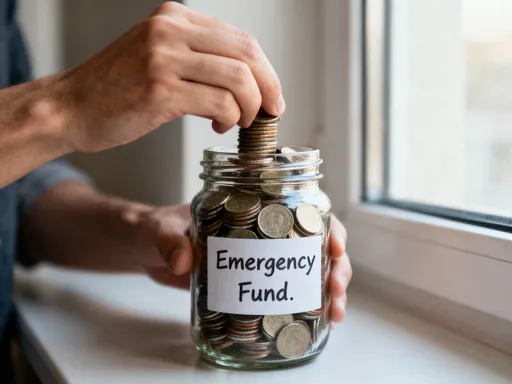
My first step was creating an emergency fund. I set aside a small portion of my initial budget—about 10%—into a separate account accessible from anywhere. This fund was strictly for unexpected situations: a missed flight, a medical co-pay, or a temporary income gap. I kept it in a stable currency and ensured it could be accessed via multiple methods, including online banking and international wire transfer. Having this cushion removed the panic that often accompanies financial surprises. I never had to use the full amount, but its presence alone made me feel more secure.
I also diversified my access to funds. I carried a primary card, a backup card from a different network, and a small amount of local cash in a secure location. I linked my accounts to a digital wallet, which allowed me to send and receive money instantly in case of urgent needs. Additionally, I identified trusted contacts—both at home and abroad—who could assist in a crisis. These precautions weren’t based on expectation of disaster, but on respect for uncertainty. The world is full of variables, and being prepared doesn’t mean anticipating every problem—it means having options.
Local banking knowledge was another layer of protection. I took time to understand how banks operated in my host country: how long transfers took, what identification was required, and where branches were located. I even opened a secondary account with a local institution as a fallback. While I didn’t use it regularly, knowing it existed gave me confidence. Risk management, when done right, doesn’t restrict freedom—it enables it. By planning for the unexpected, I was able to embrace the experience fully, knowing I had safeguards in place.
Long-Term Gains: Turning Experience Into Value
The true return on studying abroad extends far beyond academic credits or travel photos. For me, the most valuable outcome was the financial literacy I gained. The strategies I developed—monitoring exchange rates, choosing low-fee tools, budgeting with intention, earning side income, and managing risk—were not temporary fixes. They became lasting habits that continue to benefit me today. Long after returning home, I apply the same principles to everyday finances: comparing fees before making international purchases, timing large transfers, and maintaining emergency reserves. What began as a necessity evolved into a foundation for lifelong financial confidence.
Moreover, the experience broadened my global awareness. Navigating different financial systems, currencies, and cultural norms taught me adaptability and problem-solving in real-world contexts. These skills are increasingly valuable in a connected world, where cross-border interactions are common in both personal and professional life. Employers recognize the maturity and independence that come from living and studying abroad. But beyond the resume, there’s a deeper transformation—the ability to think critically about money, to see it not just as a number, but as a tool for choice and freedom.
Studying abroad doesn’t have to be a financial burden. When approached with strategy and awareness, it can become one of the most impactful investments a person can make. The cost is real, but so are the returns: knowledge, resilience, and financial wisdom that compound over time. I didn’t just survive my exchange program—I thrived, because I learned to make it work for me. And that shift in mindset—from passive spender to active manager—is the greatest lesson of all. In the end, the journey wasn’t just about where I went, but how I grew.