Buy Now, Pay Later? How I Navigated the Split-Payment Maze
You’ve seen the pop-up at checkout: “Pay in 4 installments—zero interest!” It’s tempting, right? I thought so too—until I realized how easily these small commitments stack up. What started as a convenient way to spread payments turned into a tangled web of spending traps. This isn’t just about budgeting; it’s about understanding the real mechanics behind today’s booming buy-now-pay-later market. Let me walk you through what I learned—and wish I knew earlier. The appeal is clear: instant access to goods without the upfront cost. But beneath the surface lies a financial landscape shaped by behavioral nudges, fragmented oversight, and the quiet normalization of debt.
The Rise of Buy Now, Pay Later: What’s Behind the Hype?
The buy-now-pay-later (BNPL) phenomenon has reshaped how people approach online shopping. In just a few years, this model has gone from a niche offering to a standard feature at digital checkout counters across fashion, electronics, home goods, and more. Its rise is no accident—it reflects a convergence of consumer preferences, technological advancement, and evolving retail strategies. Shoppers today demand flexibility, speed, and simplicity. BNPL services deliver exactly that: the ability to take possession of an item immediately while deferring payment over weeks or months, often with no interest charged if paid on time.
Behind this convenience is a broader shift in digital finance. As mobile payments and e-commerce platforms have matured, so too have the tools designed to facilitate spending. Fintech companies have stepped in to fill a gap left by traditional banking institutions—offering short-term credit solutions that are fast, frictionless, and integrated directly into the shopping experience. These services appeal particularly to younger consumers who may be wary of credit cards or lack access to them altogether. By removing the need for lengthy applications or hard credit checks, BNPL providers lower the psychological and procedural barriers to borrowing.
What makes BNPL especially powerful is its seamless integration into the purchasing journey. Unlike applying for a loan or activating a credit line, BNPL requires only a few clicks. The decision to borrow is made in the heat of the moment, often without much deliberation. Retailers benefit immensely from this ease, seeing measurable increases in conversion rates and average order values when installment options are available. For many merchants, offering BNPL isn’t just about customer satisfaction—it’s a proven revenue booster. This mutual benefit between sellers and fintech platforms has fueled rapid expansion, making split-payment options nearly ubiquitous in online retail environments.
How BNPL Works—And Why It Feels Too Good to Be True
At its core, BNPL is a form of short-term consumer financing that allows buyers to split a purchase into equal, scheduled payments—typically four installments spread over six weeks, though longer terms are increasingly common. The first payment is usually due at the time of purchase, with the remaining amounts automatically deducted from a linked debit or credit card every two weeks. One of the most advertised features is the absence of interest, at least for timely payers. On the surface, this seems like a win-win: you get the product now, pay later, and avoid finance charges.
But the “no interest” label can be misleading. While it’s true that many plans don’t charge interest per se, they often come with late fees that can add up quickly. Missing a single payment might trigger a fee ranging from a few dollars to a percentage of the total amount, depending on the provider and jurisdiction. More importantly, because these services typically don’t report positive payment behavior to credit bureaus, consistent on-time payments won’t help build your credit history. Conversely, missed payments may eventually be reported, potentially damaging your credit score after delinquency periods.
Compared to traditional credit cards, BNPL operates with less transparency and fewer consumer protections. Credit cards are subject to strict regulations under laws like the Truth in Lending Act, which mandates clear disclosure of interest rates, fees, and repayment terms. BNPL services, especially in their shorter forms, often fall outside these regulatory frameworks, leaving users with limited recourse in disputes. Additionally, while credit cards offer a revolving line of credit with flexible repayment, BNPL locks users into fixed schedules, offering little room for adjustment if financial circumstances change.
Consider a common scenario: a shopper buys a $400 pair of wireless headphones using a four-installment plan. The first $100 is paid upfront, followed by three more $100 payments every two weeks. It feels manageable—after all, $100 every two weeks doesn’t seem like much. But what happens when the same person uses similar plans for clothing, home appliances, and holiday gifts? The individual transactions may feel small, but collectively, they represent a significant financial obligation. Without a centralized way to track all active BNPL commitments, it’s easy to lose sight of total liabilities—turning convenience into a hidden burden.
The Psychology of Easy Spending: Why We Overuse BNPL
The growing popularity of BNPL isn’t just about financial innovation—it’s deeply rooted in human psychology. Behavioral economists have long studied how people make spending decisions, and BNPL exploits several well-documented cognitive biases. One of the most influential is the “pain of paying,” a concept that describes the discomfort we feel when handing over money. When payment is immediate and visible, like swiping a debit card or counting cash, the psychological cost is high. BNPL reduces this pain by decoupling the act of buying from the act of paying. You walk away with the product today; the financial consequences come later, in smaller, less noticeable chunks.
Another key factor is mental accounting—the tendency to treat money differently depending on how it’s labeled or accessed. Many users view BNPL funds as “not real debt” because it doesn’t appear on a credit card statement or carry an obvious interest rate. This illusion of cost-free financing leads to relaxed spending discipline. A purchase that might feel excessive when paid in full suddenly seems affordable when divided into installments. The brain focuses on the immediate benefit—the new jacket, the upgraded phone—while downplaying future obligations.
Present bias also plays a role. This refers to our natural preference for immediate rewards over delayed ones, even when the long-term costs outweigh the short-term gains. BNPL caters directly to this bias by offering instant gratification with deferred consequences. The promise of “buy now, pay later” aligns perfectly with our desire to enjoy things today, regardless of tomorrow’s budget. Over time, repeated use of BNPL can erode financial awareness, normalizing the idea of living beyond one’s means as long as payments are spread out.
These psychological mechanisms are amplified by digital shopping habits. Online environments are designed to encourage impulse purchases through personalized recommendations, limited-time offers, and one-click checkout experiences. Adding BNPL to this mix creates a powerful spending accelerator. Studies have shown that consumers using installment plans are more likely to exceed their intended budgets and make purchases they later regret. The combination of frictionless technology and behavioral nudges makes it easy to overlook the cumulative impact of multiple small debts—until they become overwhelming.
Market Realities: Who Benefits Most from This Model?
While consumers enjoy the convenience of BNPL, the biggest winners in this ecosystem are often the businesses behind the scenes. Retailers, fintech platforms, and investors all gain from the widespread adoption of split-payment systems. For merchants, offering BNPL at checkout has become a strategic tool to boost sales. Data consistently shows that when installment options are available, customers are more likely to complete a purchase and tend to spend more per transaction. This is especially true for mid-priced items—products that might otherwise give buyers pause due to their cost. By breaking the price into smaller pieces, BNPL reduces perceived financial risk and increases purchase confidence.
Fintech providers generate revenue through multiple channels. The primary source is merchant fees—typically a percentage of each transaction processed through their platform. These fees, while modest per sale, add up quickly given the volume of transactions. Additional income comes from late payment penalties, which can be substantial when multiplied across millions of users. Some providers also engage in data monetization, leveraging transaction insights to improve targeting, refine risk models, or offer analytics to retail partners. In some cases, BNPL firms extend credit using investor capital, effectively acting as lenders with high turnover and short repayment cycles.
Yet despite its profitability, the BNPL industry operates in a relatively lightly regulated space compared to traditional financial services. In many regions, these providers are not subject to the same oversight as banks or credit issuers. This regulatory gap raises concerns about consumer protection, particularly regarding transparency, fair lending practices, and debt collection methods. Without standardized disclosures or uniform credit reporting, users may find themselves overextended without realizing it. There is also the risk of predatory design—where interfaces and marketing tactics are optimized to encourage borrowing rather than responsible spending.
Some advocates argue that BNPL fills an important need for underserved populations who lack access to conventional credit. For others, it represents a potential pathway to financial inclusion, allowing responsible users to demonstrate creditworthiness over time. However, without stronger safeguards, there’s a danger that vulnerable consumers will bear the brunt of system failures—facing fees, credit damage, and stress due to poor oversight. As the market grows, regulators in several countries have begun reviewing whether existing consumer finance laws are sufficient to address the unique challenges posed by BNPL services.
Hidden Risks: When Convenience Turns into Financial Stress
Beneath the polished user interface and promise of financial ease, BNPL carries several hidden risks that can catch even cautious consumers off guard. One of the most significant is the fragmentation of debt. Unlike a credit card statement that consolidates all charges in one place, BNPL users may have multiple active plans across different providers—each with its own due dates, terms, and tracking systems. Without a unified dashboard, it becomes difficult to maintain an accurate picture of total obligations. This lack of visibility increases the likelihood of missed payments, especially during busy or financially tight periods.
Another concern is the absence of robust financial education around these tools. Many users adopt BNPL without fully understanding the implications. They may assume that “no interest” means no cost, failing to account for late fees or the impact on cash flow. Because BNPL typically doesn’t report positive payment history, consistent on-time payments don’t contribute to building credit. This creates a one-way risk: good behavior goes unrewarded, while missed payments can eventually lead to collections and credit damage. For individuals trying to establish or rebuild credit, this asymmetry can be frustrating and counterproductive.
Consider a hypothetical but realistic case: a parent managing household expenses uses one BNPL service for a new vacuum cleaner, another for winter coats, and a third for a laptop needed for remote learning. Each purchase seemed reasonable at the time—spread over six weeks, the payments were manageable. But as due dates begin to overlap, the combined outflow starts to strain the monthly budget. With no automatic reminders synced across platforms, one payment is missed, triggering a late fee. Another follows. What began as a tool for convenience now contributes to financial stress, eroding confidence and increasing anxiety.
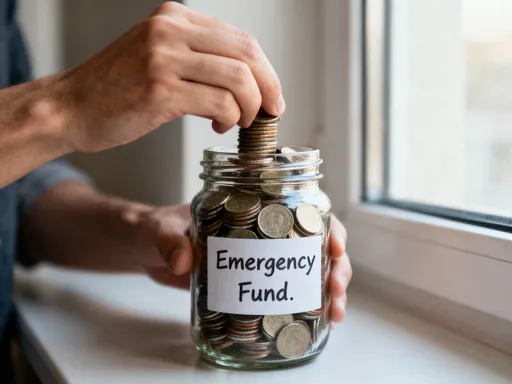
Perhaps the greatest risk is the normalization of debt. When borrowing is made effortless and invisible, it becomes easier to lose sight of long-term financial goals. Instead of saving for a purchase, consumers may default to splitting payments as a habit. Over time, this can delay the development of healthy financial behaviors like budgeting, emergency fund building, and delayed gratification. The danger isn’t in any single BNPL transaction—it’s in the cumulative effect of repeated, unmonitored use. Without intentional management, what feels like financial freedom can quietly evolve into a web of obligations that’s hard to escape.
Smart Strategies: Using BNPL Without Losing Control
Despite its risks, BNPL can be used responsibly—as long as it’s treated with the same seriousness as any other form of borrowing. The key is intentionality. Rather than viewing installment plans as a loophole to spend beyond means, users should approach them as a budgeting tool for planned, necessary, or high-value purchases. Before selecting BNPL at checkout, a simple but powerful question can help: Would I still make this purchase if I had to pay in full today? If the answer is no, it’s likely not a need but a want—and one that may not justify even interest-free debt.
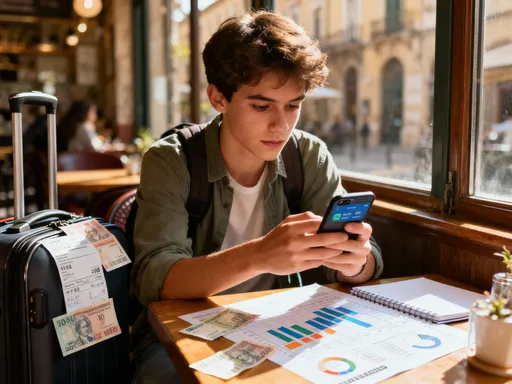
Budgeting for BNPL payments is essential. Just because a payment is split doesn’t mean it’s free. Each installment must be accounted for in the monthly cash flow. Treating these obligations like any other bill—such as utilities or subscriptions—helps maintain financial discipline. Setting up calendar reminders or using digital budgeting apps can prevent missed payments and associated fees. Some financial tools now offer features that aggregate multiple BNPL plans, providing a clearer view of upcoming liabilities. Even without such tools, maintaining a simple spreadsheet or notebook log can go a long way in promoting awareness.
Limiting the number of active BNPL plans at any given time is another effective strategy. Establishing a personal rule—such as allowing only one or two open installment agreements—can prevent overextension. It’s also wise to reserve BNPL for items that retain value or serve a clear purpose, like essential appliances or work-related equipment, rather than discretionary spending on fashion or entertainment. When used selectively, BNPL can smooth out large but predictable expenses without disrupting savings goals.
Equally important is cultivating financial literacy. Understanding how BNPL works, including fee structures, credit reporting policies, and repayment terms, empowers users to make informed choices. Parents can model responsible use for younger family members, turning real-life shopping decisions into teachable moments about money management. Over time, this awareness builds resilience against impulsive spending and strengthens long-term financial health. The goal isn’t to eliminate BNPL entirely, but to use it with eyes wide open—aligning each decision with broader financial priorities.
The Future of Consumer Credit: Where Do We Go From Here?
As BNPL continues to grow, the financial landscape is likely to evolve in response to both market forces and regulatory scrutiny. One emerging trend is increased regulation. In several countries, policymakers are moving to bring BNPL services under existing consumer credit laws, requiring clearer disclosures, fairer fee structures, and consistent credit reporting. Some jurisdictions are exploring whether these providers should be subject to affordability checks, similar to those required for personal loans. Such measures could enhance transparency and protect vulnerable users without stifling innovation.
Another potential development is the integration of BNPL activity into mainstream credit scoring systems. If timely payments were reported to credit bureaus, responsible users could benefit by building or improving their credit history. This would create a stronger incentive for on-time repayment and help align BNPL with long-term financial goals. Conversely, early warning systems could alert users when they’re approaching borrowing limits across platforms, reducing the risk of overextension.
Technology will also play a role in shaping safer usage. Unified financial dashboards—already available through some banking apps and personal finance tools—could soon include real-time tracking of all BNPL obligations, regardless of provider. These platforms might offer alerts, budget integration, and even automated payment scheduling, helping users stay in control. Financial education initiatives, both public and private, may also expand to include guidance on digital lending tools, equipping consumers with the knowledge needed to navigate this complex terrain.
In the end, BNPL is neither inherently good nor bad. It is a tool—one that can support financial flexibility when used wisely, or contribute to stress when adopted without caution. Its value depends entirely on the user’s mindset, discipline, and understanding. For the thoughtful consumer, BNPL can be a temporary bridge between income and essential expenses. For the impulsive spender, it can become a trap disguised as convenience. The difference lies not in the product itself, but in how we choose to use it. As the lines between shopping and borrowing continue to blur, the most important skill remains the same: the ability to pause, reflect, and make choices that serve our long-term well-being.