Wander Wise: The Art of Choosing Where You Belong
Travel is more than movement—it’s meaning made visible. Every journey begins with a choice: where to go, why to go, and what to carry within. In a world of endless destinations, the most transformative trips are not those with the longest flights, but the deepest connections. Wander Wise explores how intentional selection, mindful preparation, and immersive experience shape travel that lingers long after the return ticket is used. It’s not about escaping life, but about letting life unfold in new landscapes—safely, authentically, and with quiet joy.
The Heartbeat of a Destination
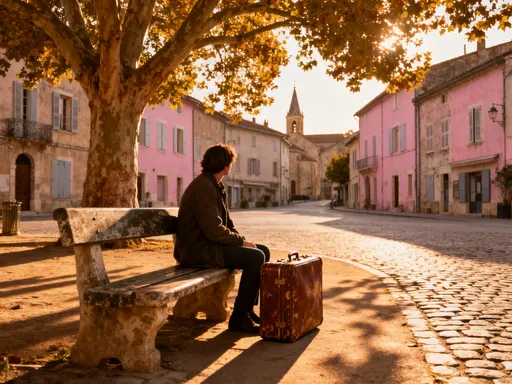
Choosing where to travel is rarely about logistics alone. While flight prices and visa requirements matter, the deeper decision lies in resonance—does a place speak to the rhythm of your current life? A destination’s heartbeat is not found in glossy brochures, but in the quiet hum of its mornings, the way locals greet each other at corner markets, and the unspoken rules of public spaces. Kyoto in early November offers a perfect example: the maple leaves begin to blush crimson, the air carries a crisp hush, and the city moves at a pace that invites reflection. Tourists flock to famous temples, but those who stay a little longer notice how shopkeepers fold paper bags with care, how schoolchildren bow to teachers in narrow lanes, and how evening light softens against wooden facades. This is where travel transforms—from observation to belonging.
Seasonal intelligence plays a crucial role in aligning with a destination’s soul. Lisbon in spring reveals another kind of magic. The mist rolls in from the Atlantic in the early hours, cloaking the tram lines and tile-clad buildings in a silver veil. By midday, the sun breaks through, warming cobblestone squares where elderly men play checkers and café tables fill with slow sips of bica. Springtime also means fewer crowds, lower prices, and blooming jacaranda trees that scatter purple petals like confetti. By consulting climate patterns and cultural calendars, travelers can time their visits to coincide not just with favorable weather, but with authentic local rhythms. This kind of planning is not about optimization for efficiency, but for emotional compatibility.
Equally important is understanding how festivals shape a place. Attending the local *festas* in small Portuguese towns, for example, opens doors that remain closed during ordinary weeks. Streets fill with handmade banners, music spills from open windows, and neighbors gather in shared courtyards. These moments are not designed for tourists, yet they become accessible to those who arrive with respect and quiet presence. The lesson here is subtle but profound: a destination is not a checklist of sights, but a living organism with moods, seasons, and unscripted moments. Choosing wisely means asking not just “What will I see?” but “How will I feel?” When a journey aligns with inner needs—whether for peace, inspiration, or connection—the experience becomes not just memorable, but transformative.
Mapping the Mindful Itinerary
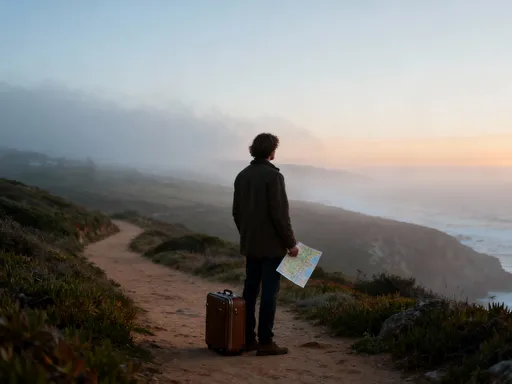
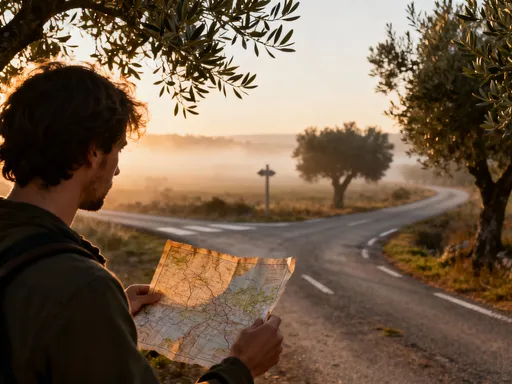
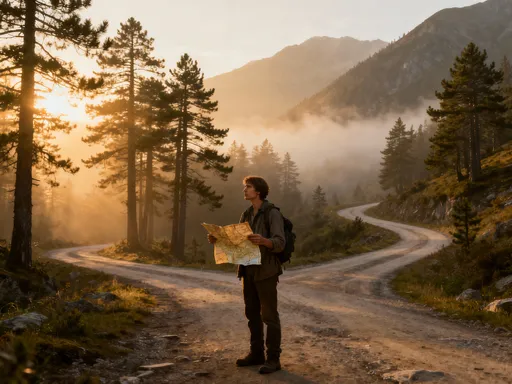
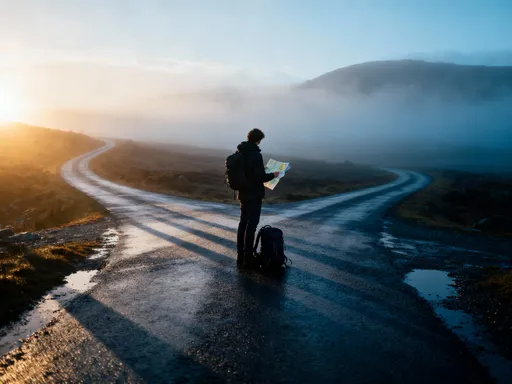
A well-structured itinerary is not a prison, but a framework for freedom. The goal of planning is not to fill every hour, but to create space where discovery can happen. Many travelers fall into the trap of over-scheduling—eight landmarks in a single day, three museums back to back—only to return to their accommodations exhausted, emotionally drained, and oddly disconnected from the places they’ve visited. The alternative lies in mindful mapping: a balance between intention and openness, structure and serendipity. This approach does not reject planning, but redefines it as a tool for presence, not productivity.
Time-blocking is one of the most effective strategies for achieving this balance. Instead of listing attractions by the minute, travelers group activities into thematic blocks—morning exploration, midday rest, afternoon immersion. For instance, in Barcelona, a morning block might include a visit to the Gothic Quarter, allowing time to wander without a fixed route. The midday block reserves two hours for lunch at a family-run bodega, a short nap, or simply sitting in a shaded plaza. The afternoon might focus on one major site—like Park Güell—followed by unstructured time. This rhythm respects natural energy cycles, preventing the sensory overload that often leads to burnout. Data from travel psychologists suggest that travelers who include deliberate downtime report higher levels of satisfaction and deeper cultural engagement.
Another key principle is the inclusion of “do-nothing” zones—designated periods where no plans are made, and no outcomes are expected. These may seem counterintuitive, especially in expensive trips where every day feels precious. Yet it is often in these gaps that the most authentic experiences occur: a conversation with a street artist, an unexpected invitation to a neighborhood celebration, or the simple pleasure of watching laundry flutter in the Mediterranean breeze. Energy-aware scheduling acknowledges that people are not machines. Recognizing when fatigue sets in—after a long train ride, for example—can prevent frustration and open the door to gentler, more rewarding activities. By planning with humanity in mind, travelers reclaim the joy of discovery without the pressure of performance.
The Language of Belonging
Language is more than communication—it is connection. Even a simple “good morning” in the local tongue can shift the tone of an interaction from transactional to personal. In rural Greece, where many villages remain outside the tourist mainstream, saying *“Kalimera”* with a smile often leads to an invitation for coffee, not because the traveler is expected to speak fluent Greek, but because the gesture signals respect. This is the essence of the language of belonging: it is not fluency that matters, but effort. The willingness to try, to listen, and to learn becomes a bridge between strangers.
Travelers do not need to master a new language to experience this shift. Learning five key phrases—greetings, thank you, please, excuse me, and how much—can open doors that translation apps alone cannot. But beyond words, tone and body language matter deeply. Speaking softly, maintaining eye contact, and pausing before responding signal that you are present, not rushing through an interaction. In northern Vietnam, where many older residents speak limited English, travelers who slow down, point gently, and smile often find themselves welcomed into homes, offered fruit from the garden, or guided to hidden waterfalls by children on bicycles. These moments are not sold; they are gifted, in response to respectful presence.
Listening, too, is a form of language. In Morocco, the silence between words in a market negotiation carries meaning. A pause is not hesitation, but consideration. Those who rush to fill the quiet often miss the rhythm of the exchange. By observing how locals speak—how quickly or slowly, how loudly or softly—travelers begin to attune to cultural cues that go beyond vocabulary. This kind of linguistic sensitivity fosters trust, creating space for genuine connection. The result is not just better service, but richer experiences: a shared meal, a handwritten recipe, a story passed down through generations. In these moments, travel moves beyond sightseeing and into the realm of human exchange.
Packing with Purpose
What we carry shapes how we move. Overpacking is not just a physical burden—it is a psychological one. A suitcase bursting at the seams whispers of anxiety, of preparing for every possible scenario, of fearing the unknown. Yet experienced travelers know that freedom on the road comes not from carrying more, but from carrying wisely. The art of packing with purpose is about curating what truly matters: items that support comfort, dignity, and adaptability, without weighing down the body or the spirit. This principle is not about minimalism for its own sake, but about creating portable stability—objects that anchor identity and well-being in unfamiliar places.
A versatile wardrobe forms the foundation of this approach. Instead of bringing ten shirts, three pairs of shoes, and multiple jackets, thoughtful travelers select pieces that layer easily, resist wrinkling, and transition from day to evening. A lightweight scarf, for example, can serve as sun protection, a blanket on a chilly train, or a modest cover in religious sites. Neutral colors mix and match, reducing the need for excess. Travelers to Mediterranean climates often find that three tops, two bottoms, and one dress or button-up shirt are sufficient for a two-week trip, especially when hand-washing is part of the routine. Reusable items—such as a water bottle, collapsible utensils, and a cloth bag—reduce environmental impact and increase self-reliance.
Equally essential are non-physical items: digital backups of passports, insurance documents, and itineraries stored securely in the cloud. While physical copies are important, having accessible digital versions provides peace of mind in case of loss. A small notebook for jotting down addresses, phrases, or personal reflections can be more valuable than any gadget. The key is intentionality: every item packed should serve a clear purpose and pass the “would I miss this if it weren’t here?” test. By releasing the urge to prepare for every contingency, travelers gain not just lighter luggage, but greater mental clarity. They move through airports, train stations, and winding alleys with ease, unburdened by excess, ready to receive what the journey offers.
Sensing the Unseen Cues
Travel is not only seen—it is sensed. The most insightful travelers are not those who check off the most attractions, but those who notice the details that others overlook. The pace of walking in a city square, the way light slants through narrow alleys at dusk, the sound of brooms sweeping pavement before dawn—these are the subtle cues that reveal a place’s true character. Learning to read them is a skill that deepens travel, turning sightseeing into understanding. Like learning a new language, it begins with attention and practice, but the rewards are immediate: safer navigation, richer interactions, and a stronger sense of orientation in unfamiliar surroundings.
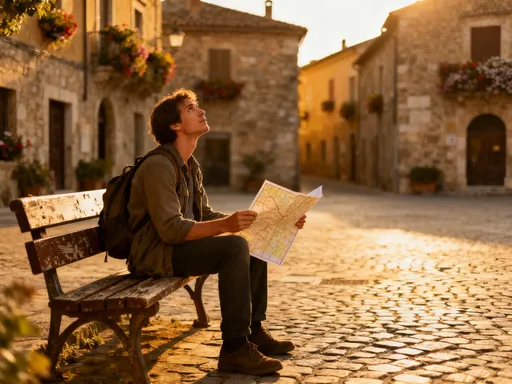
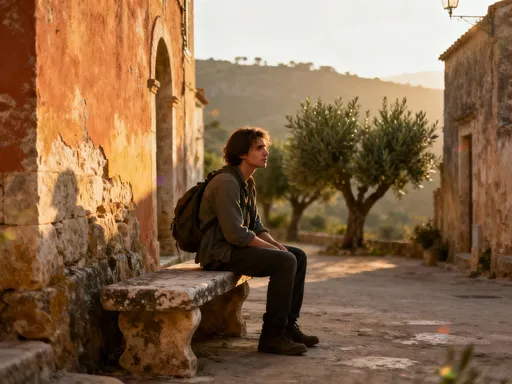
One effective exercise is the “five-minute pause”: sitting still in a public space and engaging all five senses. What do you hear? The clink of coffee cups, children laughing, a distant siren? What do you smell? Baking bread, diesel fumes, jasmine in a courtyard? What do you feel beneath your feet—the vibration of a passing tram, the uneven stone of an ancient plaza? This simple practice builds awareness and grounds the traveler in the present moment. Over time, patterns emerge. In Italian cities, for example, mornings are lively and social; afternoons are quiet, reserved for rest; evenings come alive again with family strolls. Recognizing this rhythm helps travelers align their activities with local life, avoiding the frustration of shuttered shops at midday or overly crowded piazzas at night.
Journaling sensory observations reinforces this skill. Writing down “the sound of church bells at 7:05 a.m.” or “the smell of frying churros near the metro” creates a personal archive of a place’s essence. It also sharpens memory and deepens emotional connection. Some travelers track how their energy shifts in different neighborhoods—feeling calm in tree-lined districts, anxious near busy transport hubs, uplifted in markets. This self-awareness informs choices: where to book accommodations, when to schedule demanding tasks, and how to restore balance on tiring days. Sensory intelligence is not passive observation—it is active engagement, a way of listening to the city as if it were speaking directly to you. Those who develop this sensitivity often report feeling “at home” in places they’ve just arrived, not because they know the streets, but because they are learning to read the unspoken language of place.
Staying Grounded in Motion
Even in motion, stability is possible. The idea of routine often feels at odds with travel—the desire to explore, to break free from the familiar. Yet psychological research shows that small, consistent habits act as anchors, reducing stress and increasing cognitive flexibility. A morning stretch, a few sips of tea, five minutes of journaling—these rituals do not confine the traveler; they liberate them. By providing a touchstone of familiarity, they free mental energy for curiosity, observation, and connection. In this way, routine becomes not a restriction, but a foundation for deeper exploration.
The science behind this is rooted in cognitive load theory: the human brain can only process so much new information at once. When everything—language, food, transportation, social norms—is unfamiliar, the mind becomes overwhelmed. But a simple ritual, repeated daily, offers a moment of integration. For some, it is lighting a small candle in the hotel room; for others, it is reading a favorite poem or listening to a familiar song. These acts signal safety, reminding the nervous system that, even far from home, some things remain steady. Travelers who establish a personal anchor practice before departure report greater emotional resilience and a stronger sense of self during long trips.
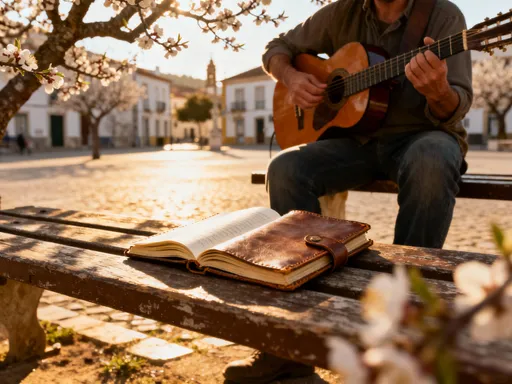
Designing this practice is deeply personal. It should be portable, brief, and meaningful. It might include a short meditation, a gratitude list, or a mindful walk with no destination. The key is consistency—doing it at the same time each day, whether in a Kyoto guesthouse or a Lisbon apartment. Over time, this ritual becomes a touchstone, a way of returning to oneself amid the excitement of new experiences. It is not about resisting change, but about maintaining continuity. In this balance—between novelty and familiarity, exploration and stability—travel becomes not just a series of events, but a journey of growth.
Returning with New Eyes
The journey does not end at the airport. The return home is its own phase of travel, often overlooked but deeply significant. After days or weeks of immersion, the familiar can suddenly feel foreign—the kitchen too bright, the streets too quiet, the routines too rigid. This re-entry period carries emotional weight, sometimes manifesting as restlessness, sadness, or disconnection. Yet it also holds immense potential. When approached with intention, homecoming becomes a time of integration—of carrying the world back into daily life, not as a souvenir, but as a shift in perspective.
One powerful way to honor this transition is through storytelling. Sharing experiences with loved ones—not just the sights, but the feelings, the surprises, the quiet moments—helps solidify memories and deepen their impact. Displaying a small object from the trip—a shell from a Greek island, a hand-painted tile from Lisbon, a journal filled with sketches—creates a visual reminder of growth. Some travelers begin new habits: making Moroccan tea in the morning, practicing five minutes of silence before work, or walking without a destination on weekends. These small acts keep the journey alive, not as nostalgia, but as ongoing influence.
Ultimately, travel is not an escape from life, but an expansion of it. The places we visit, the people we meet, the moments we carry—all of these shape how we see the world and ourselves. By choosing destinations with care, planning with flexibility, and returning with mindfulness, travelers transform movement into meaning. Wander Wisely, then, is not just a guide to better trips—it is an invitation to let the world reshape your heart, one journey at a time.